
Web design.
Websites designed around how people actually use them
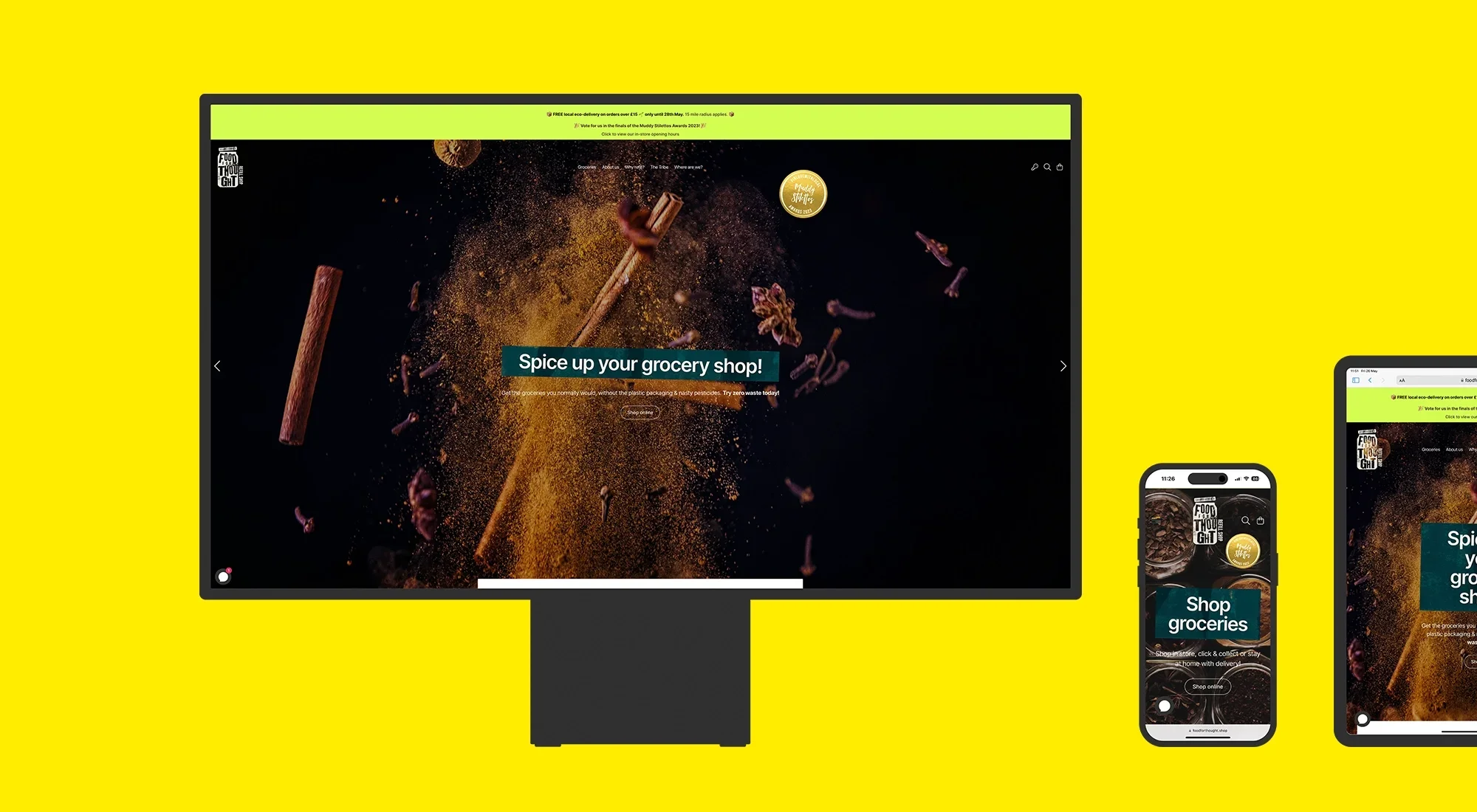
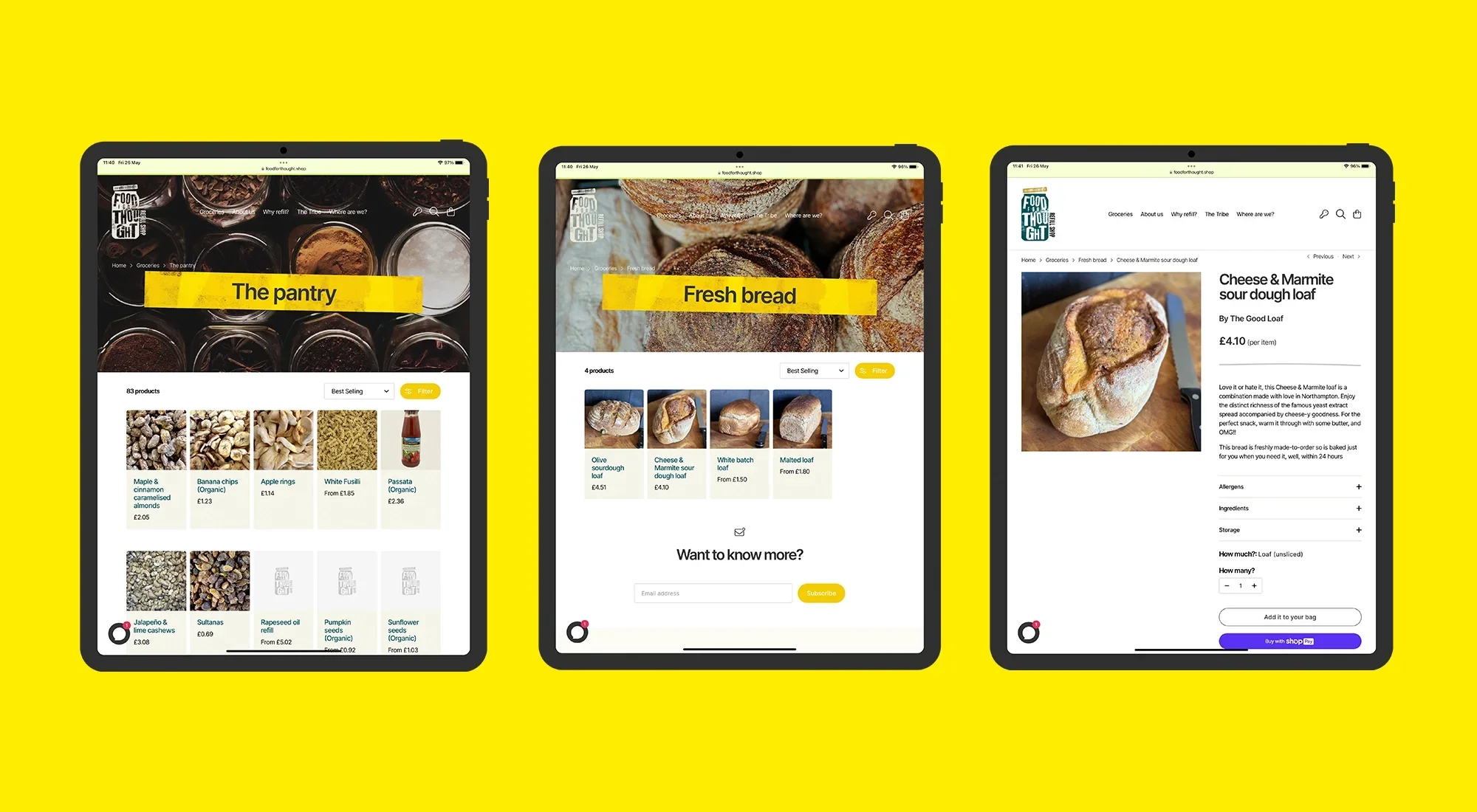
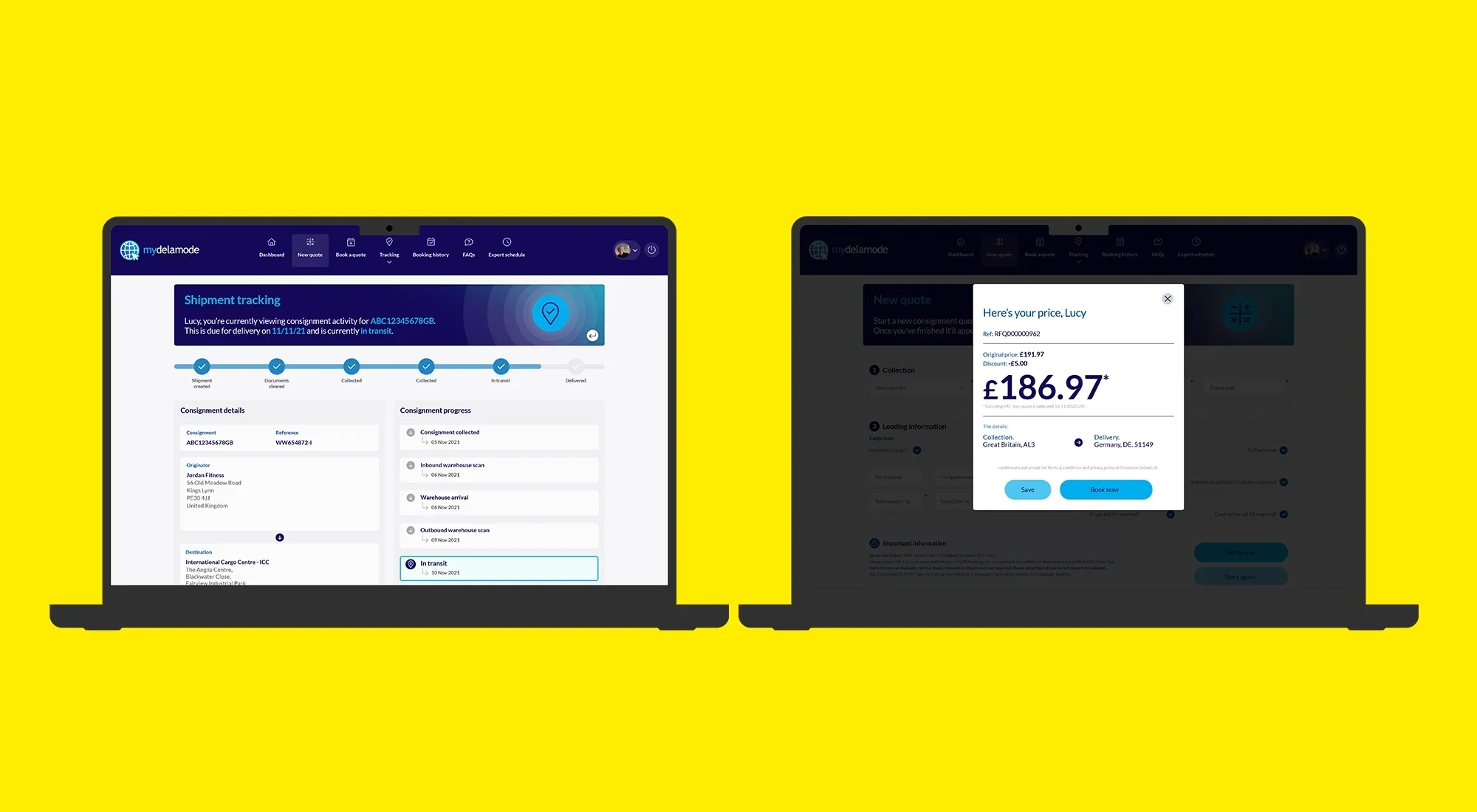
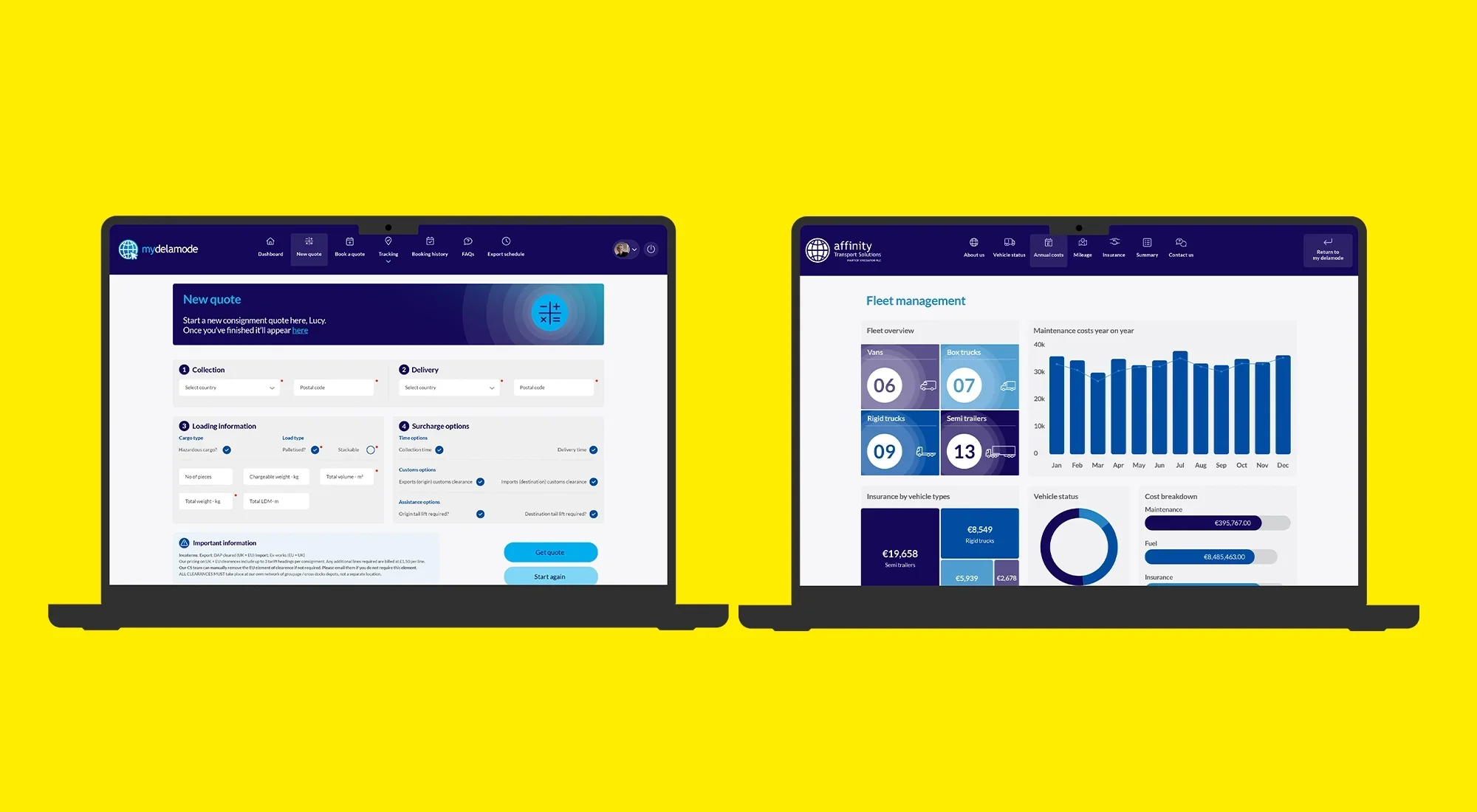
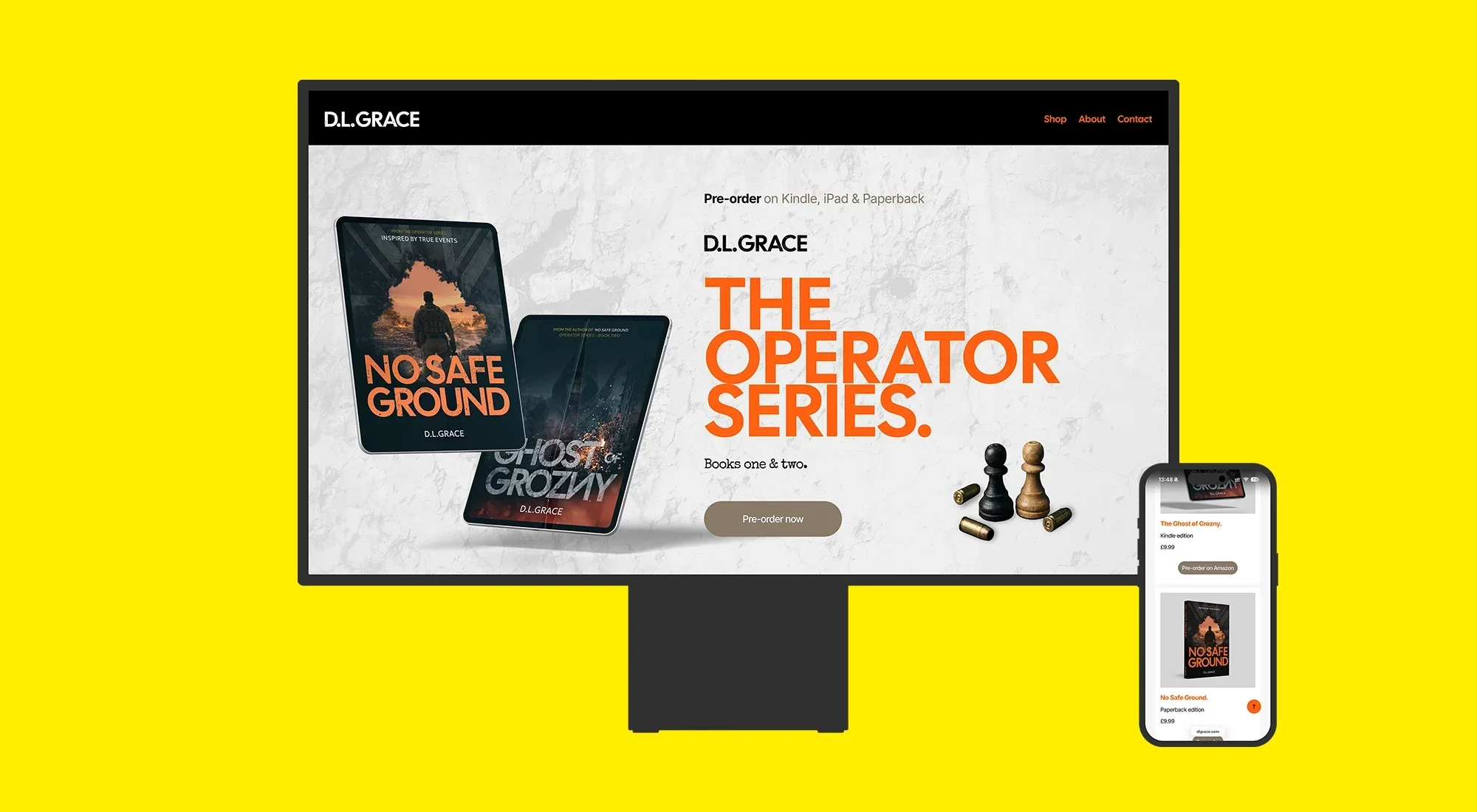
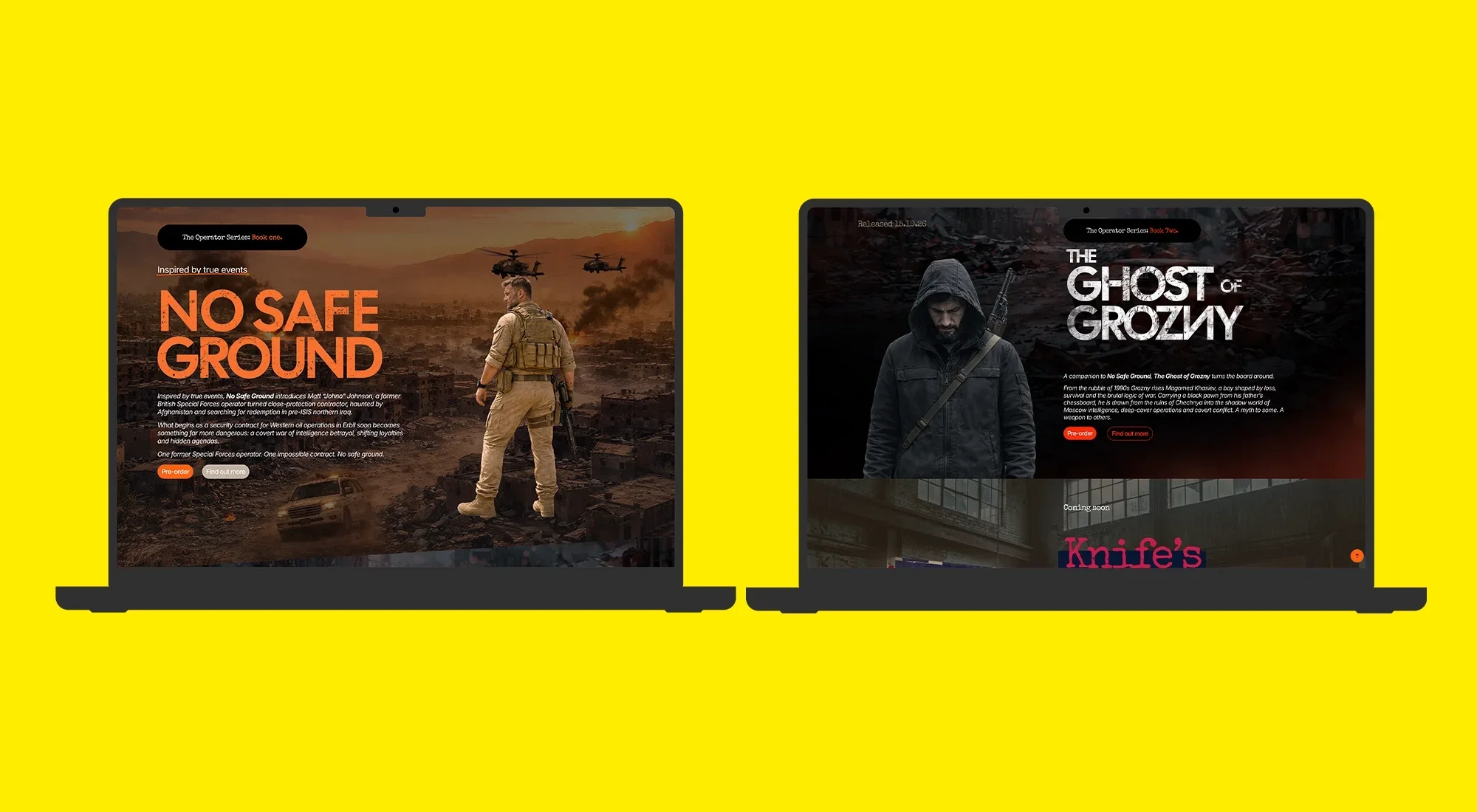
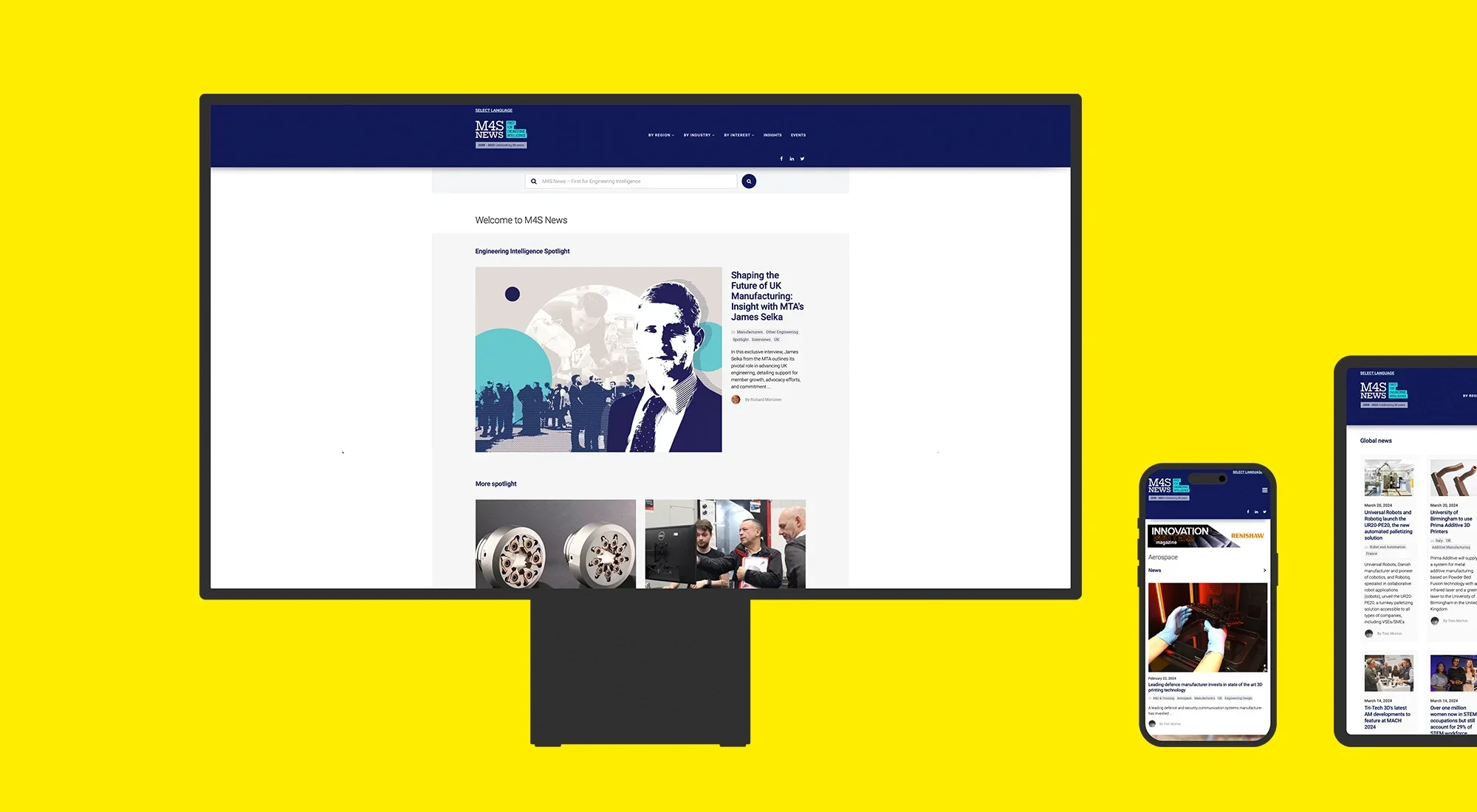
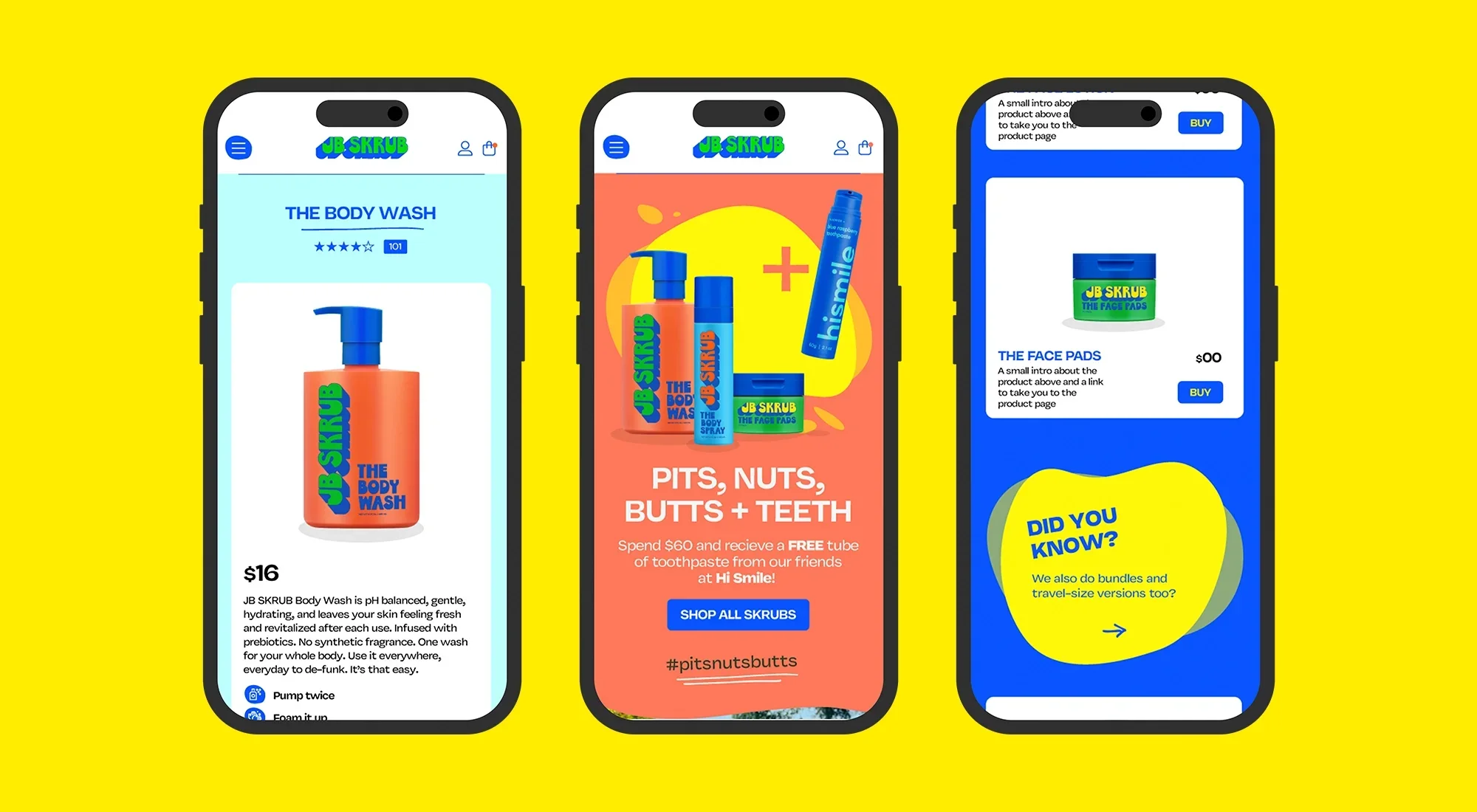
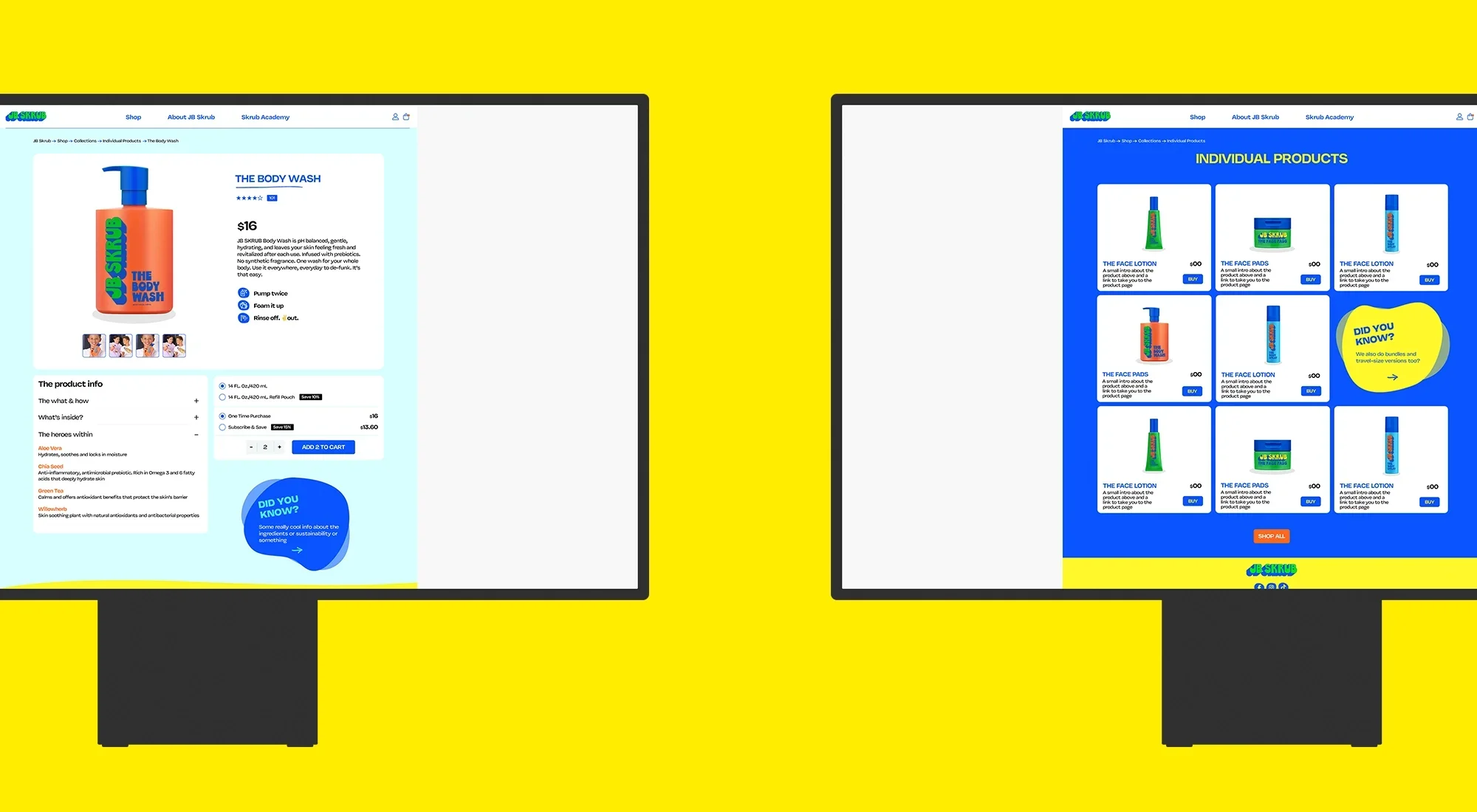
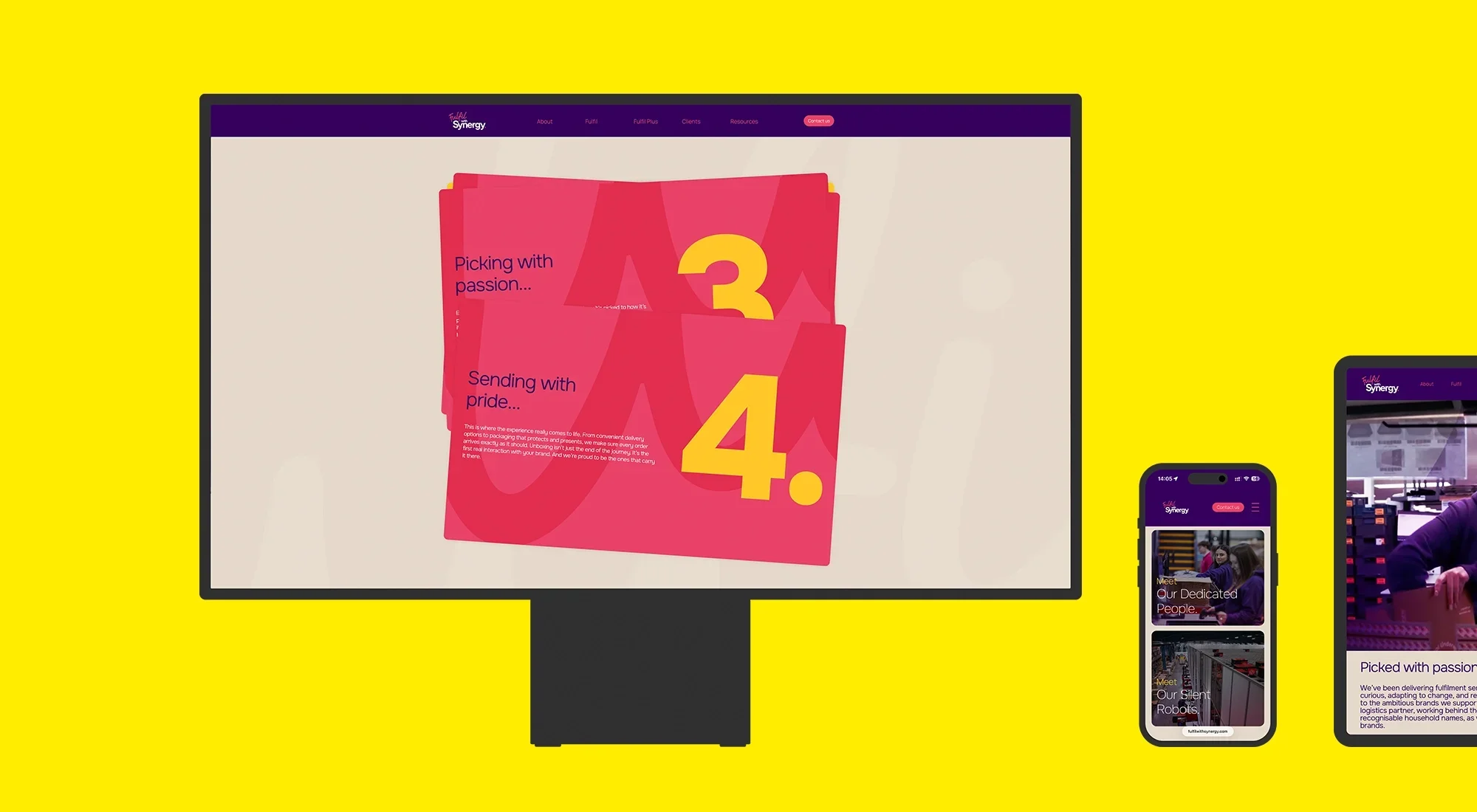
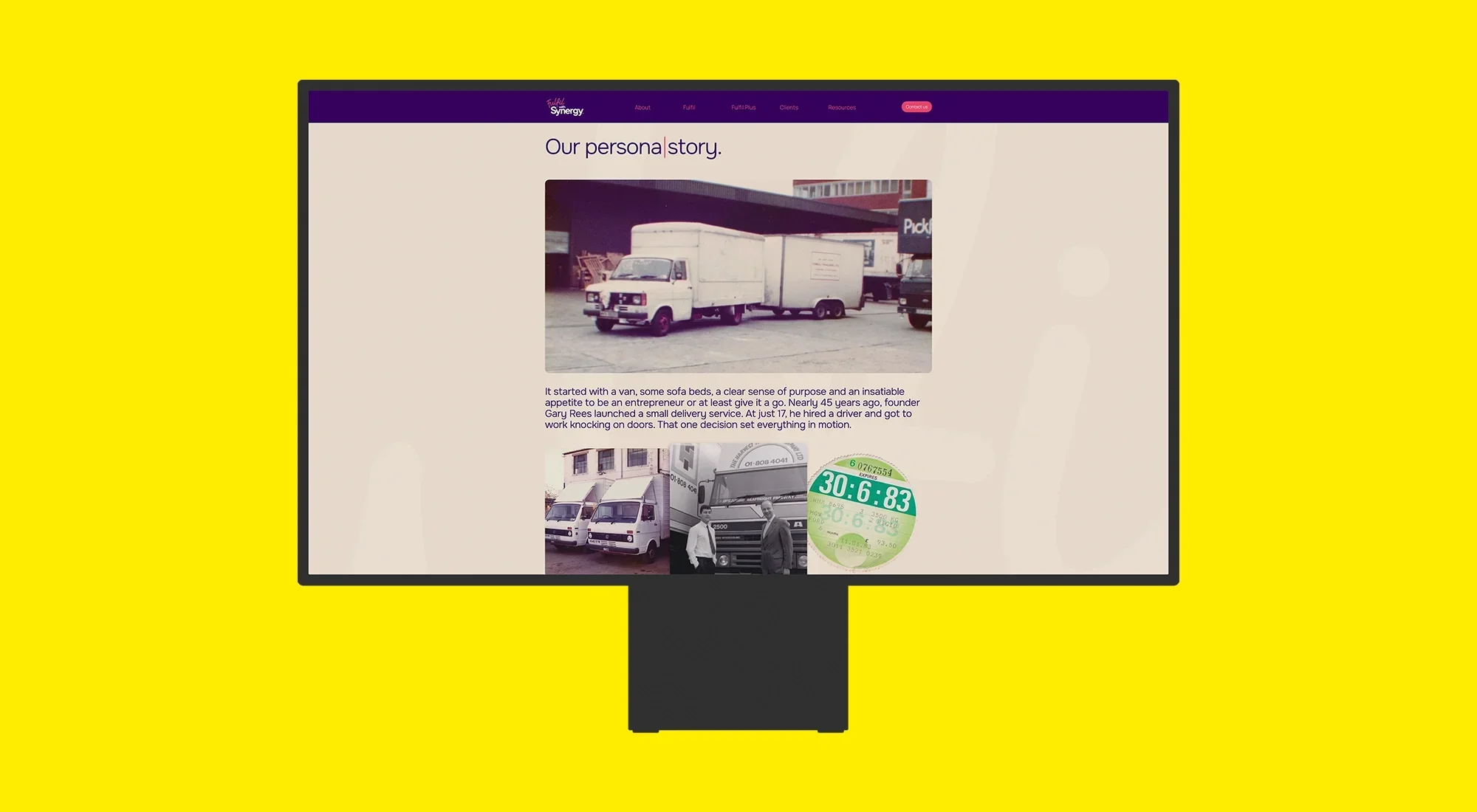
Studio Aitch plans, designs and builds websites that help people understand the business, find what matters and take the next step with confidence.
A website is part of the business
A website often starts to struggle before it looks obviously broken. The navigation reflects an older version of the business, important information is buried and new pages have made the journey through the site unclear. It asks too much of the visitor and no longer supports the organisation properly.
Studio Aitch approaches website projects by looking at the business, the audience and the decisions the site needs to support. Structure, content and user journeys come before visual polish, then the design develops in step with the wider brand.
Structure before styling
The early work starts with what visitors need to understand, how different audiences move through the site and where the business needs clearer calls to action. That gives the page structure, content and interface decisions a useful foundation.
The visual design should feel recognisably part of the brand while making the information easier to absorb. Responsive behaviour, accessibility, image use and content management are part of the design from the start.
Interface and technology trends are considered through the same lens: whether they make the site clearer, easier to use and more appropriate for the brand.
Squarespace and Webflow
I design and develop websites in platforms I trust like Squarespace and Webflow. I recommend the platform that best fits the content, level of flexibility, ease of management and how the site is likely to develop after launch.
Squarespace can be a strong choice for organisations that need a well-designed, manageable website with little technical overhead. Webflow offers greater control when a project needs more bespoke layouts, interactions or a structured content system. The right platform follows from the proposition, content and practical requirements.
Website and digital support can include
Discovery, content review and website strategy.
Information architecture and user journeys.
Wireframes, interface design and responsive behaviour.
Squarespace and Webflow design and development.
Content shaping, editing and page-level guidance.
Design systems and reusable page components.
Launch support, refinement and ongoing improvements.
-
The choice depends on the content, editing needs, layout flexibility and how the site is expected to develop. Squarespace often works well for organisations that want a well-designed site with straightforward management. Webflow can suit projects that need more bespoke control or a structured content system. The requirements should drive the choice.
-
Studio Aitch can review the current site before recommending a route. Useful content and structure may be kept, while areas that create confusion or restrict the business can be reorganised. A rebuild only makes sense when it gives the next version a better foundation.
-
Yes. Page structure, navigation, calls to action and content priorities are considered before detailed visual design. Studio Aitch can shape existing copy, identify gaps and provide page-level guidance. Specialist copywriting can be brought into scope when the project needs it.
-
Yes. Studio Aitch designs and develops websites in Squarespace and Webflow, keeping the thinking connected from early structure through to responsive build and launch. Specialist development can be added when a project includes an integration or technical requirement outside the core build.
-
Yes. The site is planned around practical content management. Reusable page components and a clear content structure make routine updates easier, with handover support agreed as part of the project. Ongoing help is available if the team wants to keep creative and technical continuity in place.
-
Clear page structure, heading hierarchy, responsive behaviour, image use and essential on-page SEO are considered during the work. Any specialist search campaign, technical audit or advanced accessibility requirement should be identified early so it can be scoped properly.
-
It depends on the number and type of pages, content readiness, platform, integrations and approval process. After discovery, Studio Aitch sets out the recommended stages, client responsibilities, delivery timetable and fee, so everyone has a clear working plan.
Planning a new website?
We can start by looking at what’s working on the current site, where it’s creating friction and what the next version needs to support.